The Rectangle: Signal or Noise?
A rectangle is a consolidation pattern that appears after an uptrend when price moves sideways between two parallel horizontal lines.
What forms the pattern
Price creates the rectangle by repeatedly testing the same upper and lower boundaries. The top line stays flat as sellers defend a fixed resistance level, while the bottom line remains flat as buyers defend a fixed support level. This back-and-forth action produces a clearly defined trading range rather than a sloping channel or converging triangle.
The three rules that matter
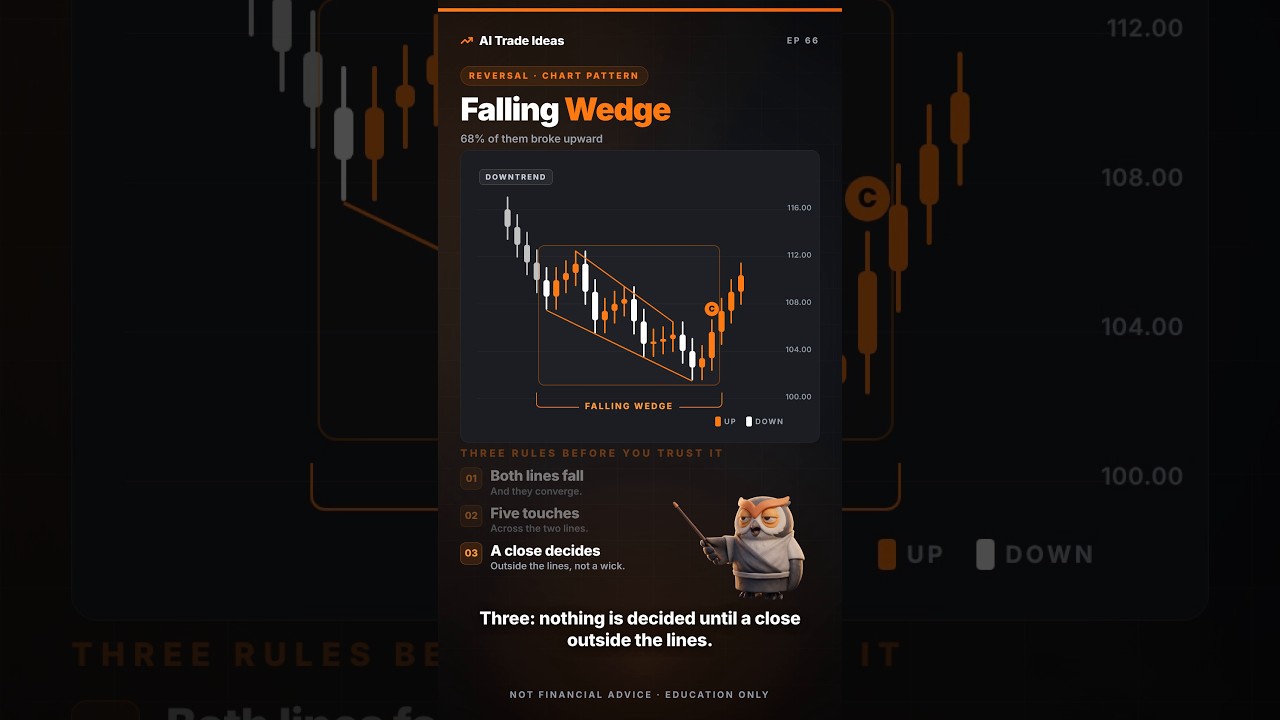
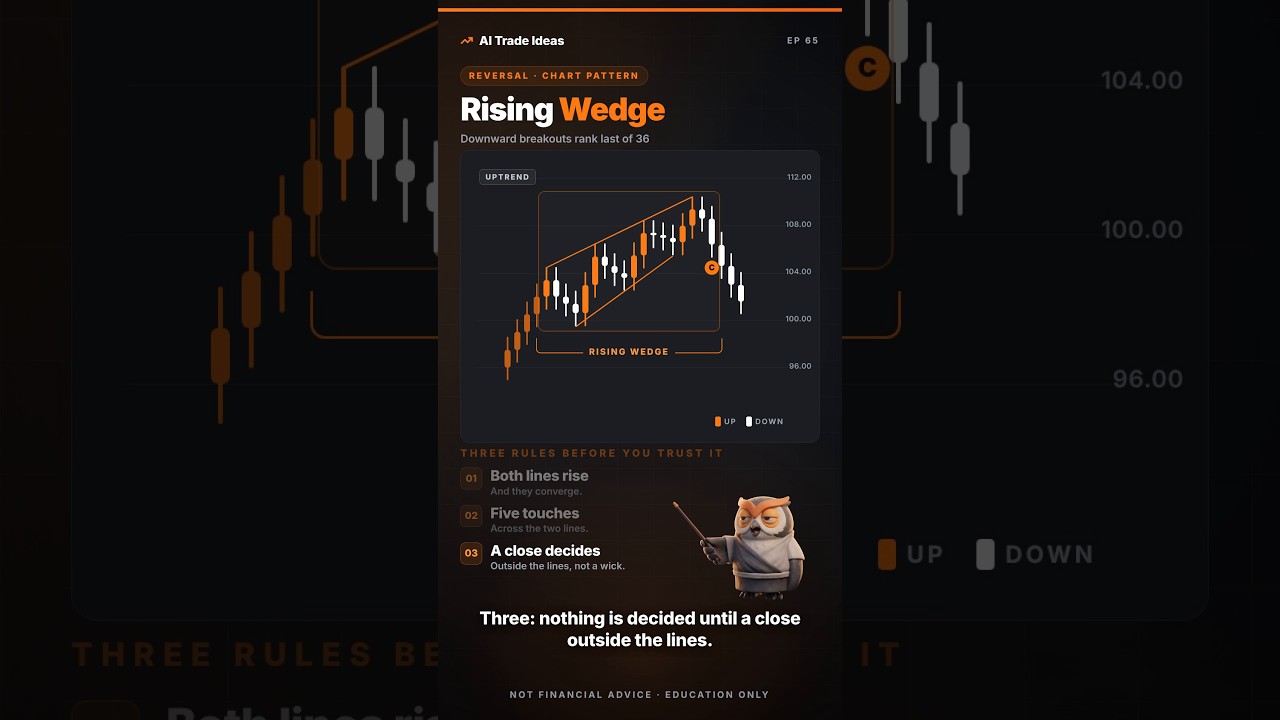
The pattern earns attention only when three conditions are met. First, both boundaries must be genuinely flat; any noticeable slope disqualifies the formation. Second, price must touch each boundary at least five times in total, proving that the levels are respected rather than accidental. Third, a decisive close beyond one of the lines is required before the rectangle is considered resolved.
How the pattern fails
The rectangle loses its meaning when traders dismiss the quiet range as irrelevant noise after an uptrend. Without flat boundaries, sufficient touches, or a confirming close, the formation provides no directional signal and simply continues as an undefined pause in price action.