Anatomy of a Candle: Signal or Noise?
A single candle records a brief contest between buyers and sellers, yet its body and wick carry different information. The body captures the net movement from open to close, while the wick records the furthest price reached before that settlement. Traders who treat the whole candle as one signal often overlook this distinction.
Body direction first
The direction of the body tells you which side finished in control. A close above the open shows buyers prevailing for that period; a close below the open shows sellers prevailing. Without first noting this direction, any interpretation of length or wick placement lacks context.
Body length in context
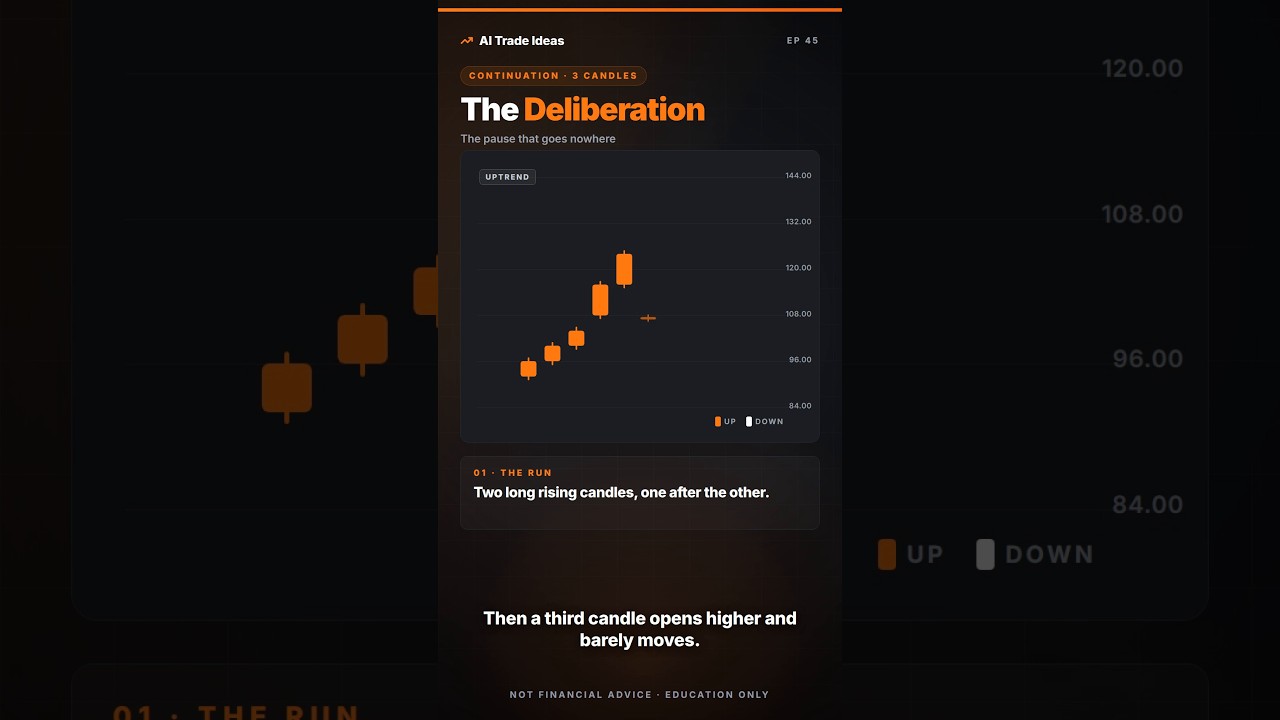
A long body indicates decisive movement in the direction already established by its close. A short body, by contrast, shows limited net progress and suggests hesitation or equilibrium. Length only gains meaning when compared with surrounding candles; the same short body may represent consolidation after a strong trend or the start of a reversal, depending on what came before.
Wick placement matters
The wick reveals where price was tested and rejected. A wick extending above the body marks an area sellers defended successfully, while a wick below the body marks an area buyers defended. The side on which the wick appears therefore indicates which group pushed price away from a level and forced the settlement back inside the body.
Location changes meaning
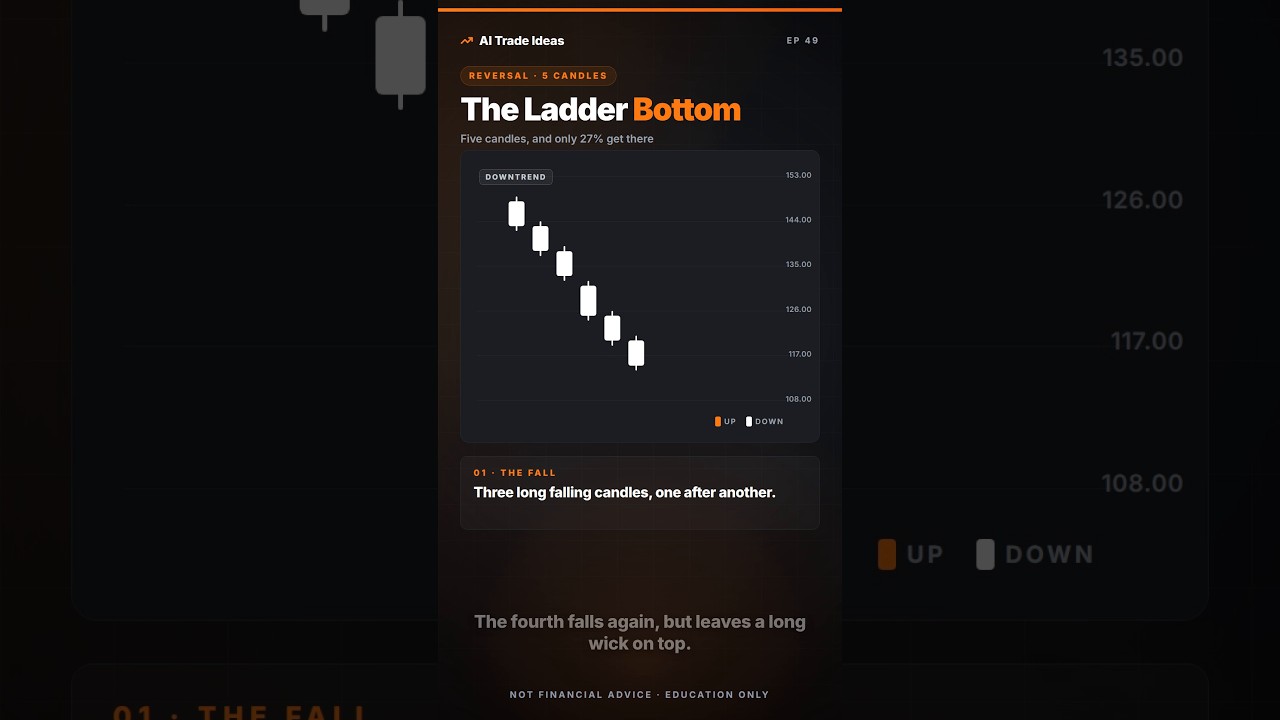
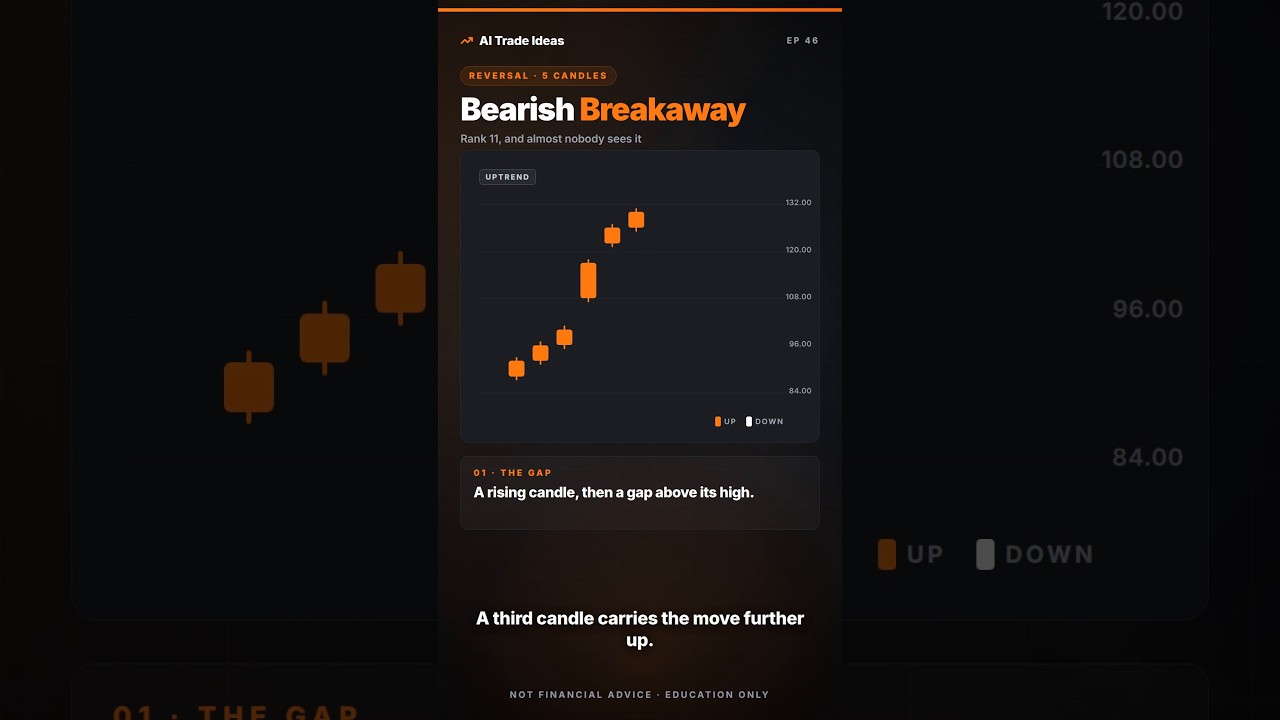
The identical shape can mark different events depending on where it forms. A candle with a small body and long lower wick after a decline is read as a potential reversal attempt, whereas the same shape after a rally is read as a potential exhaustion signal. Position relative to recent price action determines whether the candle is treated as continuation or reversal evidence.